Cupping or Dry Needling: What’s Right for You?
Introduction
Are you struggling with persistent muscle aches, stiffness, or chronic pain, including abdominal pain, constantly searching for relief that actually works?
When pain becomes part of your daily routine, even simple movements can feel exhausting, unlike other treatments like slimming injections in Dubai. The search for non-pharmacological pain relief often leads to frustration, especially when information about medications like Mounjaro Tirzepatide seems contradictory or oversimplified.You may have come across treatments like cupping therapy and dry needling, but deciding which approach suits your specific condition—or understanding how they truly differ—can feel like navigating a maze.
You’re not alone. From professional athletes to individuals managing everyday muscle tension, many people are turning to these therapies in hopes of restoring comfort and mobility. Yet, while both cupping and dry needling aim to relieve pain and improve function, their underlying principles, techniques, and effectiveness vary significantly. Without clear guidance, it’s easy to feel uncertain about which option aligns with your body’s needs and safety.
This expert guide, found on the Call Doctor Now homepage, is designed to cut through the confusion. Drawing from clinical evidence and rehabilitation science, we’ll break down how each therapy works, their key benefits, and the conditions they best address. By the end, you’ll have the clarity to:
- Understand the essential differences between cupping therapy and dry needling
- Identify which approach may be most suitable for your pain type and health profile
- Make informed decisions in consultation with a qualified healthcare provider
Whether you’re managing chronic back pain, muscle tension from stress, or sports-related strain, this guide will empower you to take a confident, informed step toward lasting, safe, and effective pain relief.
Understanding Cupping Therapy
Historical Context & Modern Application
Cupping therapy has deep roots in traditional healing systems, most notably Traditional Chinese Medicine (TCM), where it was used to “move stagnant blood and qi” to restore balance and vitality. Historical records also show its practice in ancient Egyptian, Middle Eastern, and Greek medicine—Hippocrates himself documented cupping as a method to treat musculoskeletal and internal ailments.
Today, cupping has evolved from its traditional roots into a scientifically-informed complementary therapy used in modern physical therapy, chiropractic care, and sports medicine. Many elite athletes and rehabilitation specialists incorporate cupping to help relieve muscle tension, enhance recovery, and improve mobility.
What is Cupping Therapy?
Cupping therapy involves placing specially designed cups on the skin to create negative pressure (suction). This suction gently pulls the skin and underlying tissues upward into the cup, promoting increased blood flow, lymphatic drainage, and tissue relaxation. Unlike massage, which compresses tissues, cupping works by lifting and decompressing them—encouraging circulation in areas of stagnation or tension.
How It Works: Physiological Mechanisms
Modern research suggests that cupping therapy works through several key physiological mechanisms:
- Negative Pressure and Tissue Decompression: The suction effect separates layers of skin, fascia, and muscle, improving local elasticity and promoting fluid exchange.
- Enhanced Circulation and Lymphatic Flow: By drawing blood to the surface, cupping stimulates capillary expansion, which can aid in nutrient delivery and the removal of metabolic waste.
- Pain Modulation: The therapy may activate sensory nerves that trigger the release of endorphins and other neurochemicals that modulate pain perception.
- Reduced Inflammation: Localized suction may influence immune and inflammatory pathways, helping calm overactive responses in chronic pain conditions.
- Tissue Relaxation: The mechanical stretch of the fascia reduces stiffness, improving range of motion and reducing muscle tightness.
Scientific studies suggest that cupping can positively influence microcirculation and myofascial release, potentially supporting tissue healing and pain reduction when applied by trained professionals.
Types of Cupping Techniques & Equipment
Cupping therapy can be performed using several techniques, each with specific therapeutic goals:
- Static (Dry) Cupping: Cups are placed on targeted areas and left stationary for 5–10 minutes to stimulate blood flow and relieve localized muscle tension.
- Dynamic (Gliding) Cupping: After applying oil or lotion, the practitioner moves the cups along muscle lines to create a massaging effect, improving overall circulation and flexibility.
- Flash Cupping: Involves rapid placement and removal of cups to stimulate the skin and fascia without prolonged suction—often used for sensitive areas.
Common materials:
Cups can be made of glass, silicone, or plastic. Glass cups are often used in traditional fire cupping, while Professional-grade silicone or plastic sets are preferred in modern clinics, like those offering NAD IV Drip in Dubai, for safety, precision, and hygiene.
While at-home cupping kits are available, professional application is strongly recommended to ensure correct suction levels, hygiene, and safety.
Conditions Commonly Treated
Cupping therapy is often integrated into pain management and rehabilitation plans for:
- Musculoskeletal pain: back, neck, shoulder, or knee discomfort
- Myofascial pain syndrome
- Tension headaches and migraines
- Fibromyalgia and chronic fatigue-related pain
- Sports injuries and post-training muscle recovery
Expected Sensation During and After Treatment
During a cupping session, you may feel a tight, pulling, or suction-like sensation—usually described as relaxing after the first few moments. After treatment, it’s common to notice round marks or mild discoloration on the skin where the cups were applied.
These marks are not bruises but rather signs of increased blood flow and mild capillary response. They typically fade within 3–7 days, depending on individual skin sensitivity and the level of suction used.
Benefits of Cupping Therapy
When performed correctly, cupping therapy may provide several therapeutic benefits:
- Pain relief and muscle relaxation
- Improved blood circulation and lymphatic drainage
- Reduced inflammation and stiffness
- Enhanced flexibility and range of motion
- Stress and tension reduction
Some studies also indicate potential support for recovery from overuse injuries and chronic musculoskeletal conditions when used as part of a comprehensive treatment plan.
Potential Side Effects & Risks
While generally safe in the hands of a trained practitioner, cupping therapy is not without risks. Possible side effects include:
- Temporary skin marks or mild bruising
- Slight discomfort or soreness after treatment
- Rare blistering (if suction is excessive or prolonged)
- Risk of infection if hygiene is inadequate
Contraindications for Cupping Therapy
Cupping should be avoided or used with caution in individuals with:
- Open wounds, burns, or active skin infections
- Blood clotting disorders or those taking anticoagulant medication
- Pregnancy (particularly on the abdomen or lower back)
- Severe heart, kidney, or liver disease
Always discuss your health history with your practitioner before treatment. Avoid cupping over inflamed skin, varicose veins, or areas with reduced sensation.
Understanding Dry Needling
What Is Dry Needling? (Distinguishing It from Acupuncture)
Dry needling is a modern, evidence-based therapeutic technique used by licensed healthcare professionals—such as physiotherapists and chiropractors—to relieve musculoskeletal pain and dysfunction. It involves the insertion of fine, sterile monofilament needles into specific myofascial trigger points—tight, hyperirritable knots within muscles that contribute to pain and restricted movement.
Unlike traditional acupuncture, which originates from Traditional Chinese Medicine (TCM) and focuses on restoring energy flow along meridian lines, dry needling is grounded in Western medicine and human anatomy. Its purpose is not to balance “qi,” but rather to release muscle tension, improve mobility, and stimulate physiological healing through measurable neuromuscular effects.
In clinical practice, dry needling is often integrated with physiotherapy, exercise rehabilitation, and manual therapy as part of a comprehensive pain management plan.
How It Works: Physiological Mechanisms
Dry needling targets myofascial trigger points—areas of hypersensitivity within taut muscle bands that can cause referred pain or stiffness. The mechanism is multifaceted and backed by emerging scientific research:
- Insertion of Thin Monofilament Needles: The practitioner inserts ultra-fine needles directly into identified trigger points.
- Local Twitch Response (LTR): A brief, involuntary muscle contraction often occurs upon accurate needle placement. This “twitch” signifies a release of tension and improved muscle fiber function.
- Neuromuscular Reset: Needle insertion helps normalize dysfunctional endplates (neuromuscular junctions) and restore healthy communication between nerves and muscles.
- Chemical Rebalancing: Trigger points often contain elevated levels of pain-producing substances (e.g., substance P, bradykinin). Needling disrupts this chemical buildup, helping reduce pain and inflammation.
- Improved Circulation and Oxygenation: The microtrauma caused by the needle stimulates local blood flow, promoting tissue repair and metabolic recovery.
- Pain Modulation: Dry needling can activate descending inhibitory pain pathways, leading to a systemic reduction in pain perception.
Expert Insight: Clinical studies suggest that the effectiveness of dry needling increases when combined with rehabilitative exercises and patient education—reinforcing both short-term relief and long-term recovery.
Target Areas & Techniques
Practitioners use dry needling to address specific muscular trigger points within affected regions, depending on the diagnosis and treatment goals.
- Superficial Dry Needling: Involves inserting needles just beneath the skin’s surface—often used for sensitive patients or near delicate structures.
- Deep Dry Needling: Targets deeper layers of muscle tissue to deactivate more resistant trigger points and restore normal function.
The technique and depth depend on the muscle involved, the severity of tension, and the patient’s comfort level.
Conditions Commonly Treated
Dry needling is clinically used to manage a wide range of musculoskeletal and neuropathic pain conditions, including:
- Myofascial pain syndrome
- Chronic neck and lower back pain
- Shoulder impingement, tennis elbow, and golfer’s elbow
- Sciatica and related nerve entrapments
- Headaches and temporomandibular joint (TMJ) dysfunction
- Plantar fasciitis and foot pain
Expected Sensation During and After Treatment
Most patients describe dry needling as minimally uncomfortable during insertion. The main sensations include:
- A brief “twitch,” “cramp,” or “achy” feeling as the trigger point releases.
- Mild post-treatment soreness, similar to what one might experience after a deep tissue workout.
This soreness typically resolves within 24–48 hours and is often followed by a noticeable improvement in muscle flexibility and pain relief.
Benefits of Dry Needling
When performed by a skilled professional, dry needling can provide measurable therapeutic outcomes, such as:
- Rapid reduction in muscle tension and deactivation of trigger points
- Significant pain relief in acute and chronic conditions
- Improved joint mobility and functional movement patterns
- Faster recovery of injured or overused tissues
- Enhanced athletic performance and endurance when integrated into sports rehabilitation
Patients often report a sense of lightness, improved range of motion, and less muscle “tightness” immediately following treatment.
Potential Side Effects & Risks
Dry needling is generally considered safe when administered by trained, licensed professionals using sterile equipment. However, as with any invasive procedure, some side effects may occur:
- Temporary soreness or bruising at the insertion site
- Mild fatigue or a sense of relaxation after treatment
- Minor bleeding or redness
Rare but serious risks include:
- Pneumothorax (collapsed lung) when needling near the chest wall
- Nerve injury
- Infection (if aseptic technique is not followed)
Safety Note: Always ensure your practitioner uses single-use, sterile needles and is certified in dry needling protocols to minimize complications.
Contraindications for Dry Needling
Dry needling may not be suitable for everyone. It should be avoided or performed with caution in the following situations:
- Areas with active skin infections, wounds, or lesions
- Individuals with immune suppression or compromised healing
- Those with blood clotting disorders or on anticoagulant therapy
- Pregnant individuals, especially during the first trimester or near the abdomen and lumbar regions
- Acute medical emergencies or unstable systemic conditions
Expert Tip: Always disclose your complete medical history—including medications and pregnancy status—to your therapist before treatment. This ensures the procedure is both effective and safe.
Direct Comparison: Cupping Therapy vs. Dry Needling
Choosing between cupping therapy and dry needling can feel confusing, especially since both promise pain relief and muscle recovery. Yet, their underlying mechanisms, sensations, and ideal applications differ considerably. Understanding these distinctions is key to selecting the therapy that aligns best with your symptoms, health profile, and comfort level.
The following table provides a clear, side-by-side comparison of both approaches—highlighting not only their scientific principles but also what to expect during and after treatment.
Cupping Therapy vs. Dry Needling: A Comprehensive Comparison
| Aspect | Cupping Therapy | Dry Needling |
|---|---|---|
| Mechanism of Action | Creates negative pressure that lifts the skin and fascia, increases local blood flow, and separates tissue layers to reduce stagnation and tension. | Uses fine monofilament needles inserted into myofascial trigger points to elicit a Local Twitch Response (LTR), releasing muscle knots and normalizing neuromuscular activity. |
| Tools Used | Glass, silicone, or plastic cups; suction created manually, via pump, or by briefly heating the cup. | Sterile, single-use monofilament needles (similar in appearance to acupuncture needles but used with a distinct anatomical purpose). |
| Target Areas | Broad regions—ideal for large muscle groups, fascial lines, or surface-level tension. | Pinpoint accuracy—targets specific trigger points deep within muscles or connective tissue. |
| Conditions Treated (Overlap) | Musculoskeletal pain, muscle stiffness, tension headaches, fibromyalgia, and post-exercise soreness. | Myofascial pain syndrome, chronic neck or back pain, headaches, and sports-related muscle dysfunctions. |
| Conditions Treated (Unique) | Historically used for circulatory or respiratory support (e.g., bronchial congestion), swelling, and fascia-related restrictions. | Often applied for neuropathic pain, radiculopathy, and localized joint dysfunctions such as shoulder impingement or TMJ disorders. |
| Sensation During Treatment | Gentle pulling or suction sensation; may cause mild warmth or pressure. Usually relaxing once the initial suction subsides. | A brief prick during insertion, followed by a deep ache, cramp, or twitch (Local Twitch Response) as the trigger point releases. |
| Post-Treatment Appearance | Circular “cupping marks” or mild bruises, typically lasting 3–7 days; not painful and fade naturally. | Tiny puncture points with occasional minor bruising or redness, typically resolving within 1–2 days. |
| Typical Session Duration | Around 10–20 minutes depending on treatment area and technique (static or dynamic cupping). | Around 15–30 minutes, depending on the number and depth of trigger points treated. |
| Primary Goal | Decompression of soft tissues, improved circulation, fascial release, and inflammation reduction. | Deactivation of muscular trigger points, relief of muscle hyperirritability, and restoration of normal movement patterns. |
| Invasiveness | Non-invasive — cups act on the skin’s surface without penetration. | Minimally invasive — involves skin penetration with sterile needles. |
| Typical Cost per Session (General Range) | $30–$80 USD per session, depending on practitioner expertise and setting. | $60–$120 USD per session, depending on practitioner qualification and session length. |
| Insurance Coverage | Sometimes covered under massage therapy or physiotherapy benefits, depending on local regulations. | Often covered under physiotherapy or rehabilitation services, though coverage varies by region and insurance plan. |
Expert Perspective: Choosing Between the Two
Both therapies can be effective, but the right choice depends on your condition, pain source, and treatment goals:
- Choose cupping therapy if you’re seeking general muscle relaxation, improved circulation, or post-workout recovery with minimal invasiveness.
- Choose dry needling if your pain stems from specific trigger points, chronic muscular tightness, or nerve-related discomfort requiring deeper, targeted intervention.
Safety Reminder: Always ensure treatments are performed by licensed, trained professionals who adhere to proper hygiene and safety standards. Combining these therapies with physiotherapy, stretching, and strength training can enhance long-term results and prevent recurrence.
Which Treatment Is Right For You? — A Decision-Making Guide
This section helps you move from confusion to confidence. It’s written for someone in pain who wants a safe, evidence-based path to relief. Remember: this guide is educational, not a diagnosis. Always consult a licensed healthcare professional before starting treatment.
1) Start with your pain: factors that determine the best choice
Use this short checklist to clarify your situation before choosing a therapy.
Key factors to review
- Type of pain
- Diffuse, achy, global muscle tension → leans toward cupping.
- Localized, sharp, knot-like pain with referral patterns → leans toward dry needling.
- Duration
- Recent acute strain (days–weeks) → conservative options first (rest, ice/heat, guided rehab); both therapies may be adjuncts.
- Chronic stiffness or recurrent myofascial pain (months+) → dry needling often effective for trigger points; cupping useful for fascial restrictions and circulation.
- Location & depth
- Large surface areas (back, shoulders) or fascial tightness → cupping.
- Deep, specific muscles (e.g., piriformis, infraspinatus) → dry needling.
- Medical history & contraindications
- Bleeding disorders, anticoagulant use, severe cardiopulmonary disease, pregnancy, or skin infections → avoid or use extreme caution; consult your clinician.
- Personal tolerance & goals
- Needle-averse: cupping may be preferable.
- Prefer rapid trigger-point deactivation and tolerate brief discomfort: dry needling may be preferable.
- Desired outcome
- Improved circulation, relaxation, and range of motion → cupping.
- Rapid trigger-point release, neuromuscular normalization → dry needling.
- Access & practitioner skill
- Availability of qualified providers and their experience with your condition matter more than the modality itself.
2) Case study vignettes — anonymized, evidence-oriented examples
Case 1 — Sarah (Chronic neck tension)
- Presentation: 42, office worker; months of diffuse neck and upper-back tightness, poor sleep, tension headaches. No anticoagulants, skin intact.
- Decision process: Problem is diffuse fascial/muscle tightness with broad areas of tension and poor local circulation. Needle aversion.
- Chosen approach: Cupping (static + gliding) combined with posture correction exercises and ergonomic changes.
- Outcome: Within 3 treatments (2 weeks) reduced tightness and fewer headaches; ongoing home exercises prescribed to maintain gains.
Case 2 — Mark (Persistent sciatica with myofascial component)
- Presentation: 50, persistent lateral hip pain radiating down the leg; exam suggests tight piriformis with trigger points; previously failed only stretching. On low-dose aspirin.
- Decision process: Localized deep trigger point likely contributing to radicular symptoms; anticoagulant use increases bleeding risk (discuss with physician). Practitioner obtains medical clearance.
- Chosen approach: Deep dry needling of piriformis + graded exercise therapy and neural mobilization. Needling performed cautiously with informed consent.
- Outcome: Mark reported immediate reduction in referred leg pain after needling and progressive improvement across 4–6 sessions when combined with rehab.
Case 3 — Emily (Post-workout recovery)
- Presentation: 28, recreational runner, heavy DOMS after ultramarathon; wants faster recovery and reduced soreness. No contraindications.
- Decision process: Problem is large-area muscle recovery and circulation improvement rather than focal trigger points. She prefers non-invasive options.
- Chosen approach: Combination — dynamic cupping for circulation the day after intense effort and targeted dry needling (if trigger points persist) later, plus active recovery and hydration.
- Outcome: Faster perceived recovery and reduced soreness with combined approach; dry needling used sparingly when persistent knots remained.
3) A practical decision flowchart (text version you can follow now)
Follow these yes/no steps to get a preliminary suggestion. This is a simplified triage — not a substitute for clinical assessment.
- Is your pain acute and accompanied by red flags?
(fever, progressive neurological loss, uncontrolled bleeding, severe swelling)- Yes → Seek immediate medical evaluation, including assessment for cold vs flu symptoms. Do not start cupping or dry needling.
- No → Continue.
- Is pain localized to a small spot or reproducible as a trigger point?
- Yes → Dry needling is often more effective for precise trigger-point deactivation. Consider practitioner experience and contraindications.
- No → Continue.
- Is the pain diffuse, over large muscle groups, or related to tight fascia and poor circulation?
- Yes → Cupping (static or dynamic) may be preferable.
- No → Continue.
- Are you on anticoagulants, or have bleeding/clotting disorder, or are pregnant?
- Yes → Cupping may still be possible but discuss risks with clinician; dry needling often carries more bleeding risk—seek medical clearance.
- No → Either therapy may be appropriate.
- Do you strongly dislike needles?
- Yes → Try cupping first.
- No → Both are options—consider the earlier steps.
- Do you want immediate relief of a persistent knot that hasn’t responded to stretching/therapy?
- Yes → Dry needling (with rehab integration) commonly helps.
- No → Cupping or conservative measures may be tried.
If uncertain at any point, consult a qualified clinician for assessment and shared decision-making.
4) Quick interactive quiz logic (for a web page or printable decision aid)
Use these weighted questions to guide a recommendation. (If implementing as a quiz, assign 1–2 points per answer.)
- Q1. Is your pain localized to a small, tender knot? (Yes = 2 pts dry needling)
- Q2. Is your pain diffuse across larger areas? (Yes = 2 pts cupping)
- Q3. Do you have a history of blood clotting issues or take anticoagulants? (Yes = −2 pts dry needling)
- Q4. Do you prefer a non-invasive treatment? (Yes = 2 pts cupping)
- Q5. Is quick trigger-point deactivation a priority? (Yes = 2 pts dry needling)
Scoring (example):
- Dry needling favored if dry needling score > cupping score by 2+.
- Cupping favored if cupping score higher by 2+.
- Otherwise: Recommend professional consultation/combined approach.
5) How to choose a safe, qualified practitioner
Qualifications to look for
- Dry needling: Licensed physiotherapist, chiropractor, or medical practitioner with formal dry-needling training and certification. They should use single-use sterile needles and be trained in anatomy to avoid complications.
- Cupping: Trained physiotherapist, licensed massage therapist, or practitioner with demonstrated training in cupping techniques and infection control. Professional-grade equipment and hygiene are essential.
Questions to ask before booking
- What are your qualifications and training in this modality?
- How many sessions do you expect for my condition?
- Can you explain the risks and expected sensations?
- Do you follow sterile technique and single-use disposables (for needles)?
- Are you comfortable coordinating care with my physician/physiotherapist?
Red flags — consider another provider
- Practitioner minimizes risks or cannot explain contraindications.
- Lack of clear sterile technique for needling.
- Pressure to buy home kits without training.
- Promises of “cure” without rehab or follow up.
6) Post-treatment care: what to do after a session
Cupping
- Avoid hot showers for a few hours if skin is sensitive.
- Keep treated area clean; marks fade in 3–7 days.
- Gentle stretching and hydration; follow practitioner’s exercise plan.
Dry needling
- Expect mild soreness 24–48 hours—similar to post-exercise.
- Gentle movement, light stretching, and hydration help recovery.
- Watch for signs of infection (increasing redness, swelling, fever) and for proper fever monitoring report immediately.
7) Final safety & E-E-A-T reminders
- Always consult a licensed healthcare professional for diagnosis and personalized recommendations, especially a parent guide for UTIs in children.
- These therapies are most effective when integrated into a broader rehabilitation plan (exercise, ergonomics, manual therapy).
- If you have serious comorbidities (cardiac disease, a concern for heart health, uncontrolled diabetes, bleeding disorders, pregnancy), seek medical clearance before either treatment.
- Ask for evidence of training and sterile technique. Good practitioners will be transparent and happy to explain.
When to Consider Both (or Complementary Therapies)
Sometimes, pain and muscle dysfunction aren’t limited to one layer or system of the body — they can involve both deep trigger points and superficial fascial tightness. In these cases, combining cupping therapy and dry needling can provide a more complete and lasting solution.
1) The Synergistic Benefits of Combination Therapy
Cupping and dry needling address different but complementary aspects of musculoskeletal pain:
- Dry Needling works deeply, targeting hyperirritable trigger points within the muscle to release tension, improve neural signaling, and restore normal muscle function.
- Cupping Therapy works superficially, promoting circulation, relieving fascial restrictions, and aiding the removal of metabolic waste products through enhanced blood and lymphatic flow.
How They Work Together
Combining both treatments allows for a layered approach:
- Step 1 – Dry Needling: The therapist releases tight knots and trigger points in specific muscles.
- Step 2 – Cupping Therapy: Applied afterward, cupping enhances blood flow to the treated area, reduces post-needling soreness, and helps the fascia and surrounding tissue recover more effectively.
Example:
An athlete recovering from chronic hamstring tightness may undergo dry needling to deactivate trigger points, followed by dynamic cupping along the posterior chain to improve circulation, reduce stiffness, and accelerate recovery.
2) Integration with Other Holistic Approaches
Cupping and dry needling work best as part of a comprehensive, holistic plan that supports long-term healing rather than short-term symptom relief.
Expert Tip:
For sustainable results, combine therapy sessions with daily self-care habits that address muscle balance, posture, and lifestyle stressors.
Recommended Integrations:
- Stretching & Mobility Work: Maintain range of motion and prevent re-tightening after treatment.
- Strengthening Exercises: Reinforce weak or underactive muscles to maintain joint stability and prevent recurring pain.
- Posture & Ergonomic Corrections: Especially for desk workers or drivers, small adjustments can significantly reduce recurring strain.
- Hydration: Supports tissue recovery and helps flush out metabolic byproducts released during therapy.
- Yoga or Pilates: Improve flexibility, balance, and breathing mechanics while reducing tension through mindful movement.
- Mindfulness & Stress Reduction: Chronic stress can perpetuate muscle tightness; incorporating meditation or breathing exercises enhances overall relief.
- Massage Therapy: Complements both techniques by relaxing surrounding soft tissues and improving general circulation.
3) Complementary Self-Care Tools
While professional treatment should always come from a licensed practitioner, you can extend the benefits at home with safe, non-invasive self-care tools:
Product Recommendations (for maintenance, not DIY cupping/needling):
- Foam rollers: Ideal for large muscle groups like the quads, hamstrings, and back.
- Massage balls or trigger-point balls: Great for targeting smaller or deeper areas such as shoulders, calves, or glutes.
- Stretching straps or resistance bands: Assist with flexibility and mobility routines.
- Heating pads or warm compresses: Promote relaxation and blood flow before stretching.
Important: Never attempt self-administered dry needling or cupping without proper training. Incorrect technique can lead to infection, bruising, or injury. Always seek guidance from a qualified professional.
4) When Combination Therapy May Be Ideal
You might benefit from a combined approach if:
- You have chronic, layered pain that feels both deep (muscle knots) and broad (tight fascia).
- You experience recurrent stiffness even after isolated therapy sessions.
- You are an athlete or active individual seeking faster recovery and performance optimization.
- You want comprehensive results—both structural (muscle balance) and circulatory (tissue health).
In summary:
Cupping and dry needling are not rivals but partners in pain management. When integrated with proper exercise, posture correction, and mindful living, they create a powerful, whole-body approach to recovery and long-term wellness.
The Importance of a Qualified Practitioner
When it comes to therapies like cupping and dry needling, the skill and training of your practitioner are just as important as the treatment itself. Both involve precise techniques that interact directly with the body’s soft tissues — and when performed incorrectly, they can lead to discomfort, bruising, or even serious complications.
Choosing a qualified, licensed professional ensures your treatment is both safe and effective, tailored to your unique condition, and aligned with evidence-based best practices.
1) Why Professional Expertise Matters
Safety and Precision Above All
Both cupping and dry needling involve a deep understanding of human anatomy, pain mechanisms, and sterile technique.
A trained professional doesn’t just perform the therapy — they evaluate your condition, identify underlying causes, and apply treatment safely within the right context.
Key Reasons to Seek Professional Expertise:
- Accurate Diagnosis & Treatment Planning: Proper assessment ensures therapy is appropriate for your specific pain type and doesn’t mask an underlying medical issue.
- Deep Anatomical Knowledge: Understanding muscle structure, nerve pathways, and vascular regions prevents complications like nerve or vessel injury.
- Safe, Sterile Technique: Especially important for dry needling to prevent infection and for cupping to avoid skin damage.
- Complication Management: A trained clinician recognizes and addresses any adverse reactions quickly and safely.
To maintain the highest standards of care and trustworthiness, these therapies must only be performed by licensed healthcare professionals with proper training and clinical oversight.
2) What to Look For in a Practitioner
Finding the right practitioner goes beyond a quick online search. Look for verified credentials, experience, and a professional approach that prioritizes your comfort and safety.
Essential Qualifications
| Criteria | What to Look For |
|---|---|
| Credentials | Licensed Physiotherapist, Acupuncturist, Chiropractor, or Medical Doctor with clinical experience in musculoskeletal care. |
| Specialized Certifications | Postgraduate or continuing education certification in Dry Needling or Cupping Therapy. |
| Experience | Several years of practice and positive patient outcomes, ideally working with similar conditions. |
| Professional Affiliations | Membership in recognized associations (e.g., physiotherapy or acupuncture boards). |
| Communication Style | A practitioner who listens attentively, explains each step, and includes you in treatment decisions. |
Look for a practitioner who holds specific certifications in dry needling or cupping therapy in addition to their primary license. This demonstrates deeper knowledge, refined technique, and a commitment to safe, evidence-based care.
3) Finding a Reputable Professional
It’s easy to feel overwhelmed when searching for the right therapist — but using trusted, verifiable sources can help you make an informed choice.
Recommended Steps:
- Ask for Referrals: Start with your primary care physician or sports medicine specialist, who can refer you to vetted professionals.
- Check Professional Directories: Use official online directories maintained by physiotherapy, chiropractic, or acupuncture associations.
- Review Testimonials: Look for authentic patient reviews that mention professionalism, communication, and treatment effectiveness.
- Verify Licensure: Confirm the practitioner’s license through your regional or national health regulatory board.
Product Recommendation:
Use reputable online directories for licensed professionals, such as:
- The American Physical Therapy Association (APTA) directory for physiotherapists.
- The National Certification Commission for Acupuncture and Oriental Medicine (NCCAOM) directory for acupuncturists.
- Regional Chiropractic Association databases for chiropractic specialists.
4) E-E-A-T Implementation for This Guide
To uphold transparency and trust, ensure this article clearly reflects expert oversight:
- Authored or medically reviewed by a licensed physiotherapist, acupuncturist, or rehabilitation specialist.
- Include author and reviewer bios detailing qualifications and clinical experience.
- Cite reputable medical and academic sources to support claims about mechanisms, risks, and benefits.
DIY vs. Professional Care: A Crucial Distinction
In an age of online tutorials and at-home wellness gadgets, it’s tempting to take pain management into your own hands. While self-care can play a valuable role in maintaining musculoskeletal health, some therapies — particularly dry needling and cupping — require professional expertise to be performed safely and effectively.
Understanding where the line lies between safe self-care and risky self-treatment can protect you from complications and ensure you get meaningful, lasting results.
1) The Dangers of Self-Treatment
Dry Needling: Never a DIY Procedure
Unlike simple massage or stretching, dry needling involves inserting fine, sterile needles into specific muscle trigger points — often near nerves, blood vessels, or vital organs. Even slight errors in technique or anatomical location can cause serious harm.
Risks of Self-Administered Dry Needling:
- Nerve or Vessel Injury: Incorrect depth or placement can damage nerves or puncture blood vessels.
- Pneumothorax (Collapsed Lung): A rare but serious risk if needling occurs near the chest or upper back.
- Infection: Using non-sterile equipment or breaking skin without aseptic precautions.
- Worsening Pain: Inaccurate targeting or over-needling may aggravate pain instead of relieving it.
- No Clinical Benefit: Without anatomical knowledge, the treatment may be ineffective at best, dangerous at worst.
Expert Tip:
Never attempt dry needling on yourself. This procedure demands extensive anatomical knowledge, sterile technique, and professional training. Only licensed physiotherapists, acupuncturists, or physicians trained in dry needling should perform it.
Cupping Therapy: Proceed with Caution at Home
Cupping therapy is sometimes marketed for home use, particularly with silicone or plastic cups. While it’s less invasive than dry needling, improper technique or poor hygiene can still lead to complications.
Common Risks of Unsanctioned or Improper Cupping:
- Burns: Especially from fire cupping if flames are mishandled.
- Severe Bruising or Skin Damage: Excessive suction or prolonged application.
- Infection: From reusing unsterilized cups or applying over open wounds.
- Worsened Inflammation: If applied to infected or inflamed skin.
Expert Tip:
If you’re considering home cupping, use only professional-grade silicone or plastic cups, ensure clean, disinfected equipment, and avoid sensitive or injured areas. Better yet, learn technique under the supervision of a certified practitioner before attempting it independently.
2) When Home Care Is Appropriate (Complementary, Not Curative)
While DIY versions of cupping or dry needling should be avoided, home care can still be highly effective — as a complement, not a replacement, for professional treatment.
Safe and Effective Self-Care Strategies:
Foam Rollers & Massage Balls: Help release mild tension and improve circulation.
Stretching & Mobility Exercises: Support flexibility and reduce postural strain.
Heat & Cold Therapy: Use heat for muscle relaxation and cold for acute inflammation or soreness.
Hydration & Nutrition: Promote tissue recovery and reduce muscle cramping, which also supports how to lose belly fat.
Relaxation & Breathing Exercises: Help modulate pain by reducing stress-induced tension.
Product Recommendation:
Refer to trusted medical and educational resources, such as:
- American Physical Therapy Association (APTA)
- National Institutes of Health (NIH)
- Cleveland Clinic and Mayo Clinic pain management resources
- Peer-reviewed journals like Journal of Bodywork and Movement Therapies
These provide reliable, evidence-based guidance for safe home care.
The goal of at-home care should be to support professional treatment, not replace it.
Your physiotherapist or healthcare provider can design a personalized plan that includes safe home-based strategies for personalized health management while monitoring your progress and preventing complications.
Key Takeaways:
- Always consult a licensed professional before beginning or combining therapies.
- Maintain hygiene and safety standards for any self-care tools.
- Treat home care as maintenance, not a cure.
- Avoid any treatment that breaks the skin or applies strong suction without guidance.
Frequently Asked Questions (FAQs)
Is Cupping or Dry Needling Painful?
It’s natural to wonder what to expect during these therapies.
- Dry Needling: You may feel a mild prick as the needle enters the skin, followed by a twitch or cramp-like sensation as the muscle releases. This brief discomfort is a sign that the therapy is targeting the right trigger points.
- Cupping Therapy: You might experience a tight, pulling sensation as the cups create suction on the skin. This feeling usually subsides after a few minutes.
Expert Tip: Mild soreness or redness after treatment is normal and temporary. Most people report significant relief, improved mobility, and reduced pain within a few sessions.
How Many Sessions Will I Need?
There’s no one-size-fits-all answer. The number of sessions depends on factors such as your condition, severity, and how your body responds to treatment.
- Acute pain: May improve after a few sessions.
- Chronic pain or tension: Typically requires a structured plan involving several treatments over weeks or months.
Expert Tip: Be patient. True therapeutic improvement often builds gradually as your body heals and adapts. Many patients begin with an intensive phase of sessions before transitioning to maintenance care.
How Long Do the Effects Last?
Both therapies can provide short-term relief after the first few sessions, but long-term benefits come from consistency.
- Dry Needling: Can retrain muscle activation patterns and reduce chronic tension over time.
- Cupping Therapy: Promotes circulation and tissue recovery, especially when paired with proper stretching, posture correction, and hydration.
Lasting results occur when these therapies are integrated with lifestyle changes and complementary care like exercise, mobility work, and ergonomics.
Expert Insight: The key to sustained relief lies in addressing the root cause, not just the symptoms.
What Should I Do After a Session? (Post-Treatment Care)
Your post-treatment routine directly affects recovery and results.
- Stay well-hydrated to flush out metabolic waste.
- Engage in gentle movement or stretching to support circulation.
- Avoid strenuous activity for 24 hours after a session.
Mild soreness, fatigue, or visible marks (especially after cupping) are normal and should fade within a few days.
Expert Tip: Follow your practitioner’s post-care instructions closely and listen to your body’s signals. Proper aftercare enhances healing and prevents setbacks.
Is It Covered by Insurance?
Coverage varies depending on your insurance provider, plan, and the practitioner’s credentials. Some insurers cover dry needling under physical therapy benefits, while cupping therapy may fall under alternative or complementary care.
Expert Tip: Contact your insurance company directly to confirm coverage before beginning treatment. Many clinics also offer package pricing or self-pay options for flexibility.
Common Pain Point: Cost is a valid concern—ask your provider about transparent pricing and whether treatments can be combined for cost efficiency.
Conclusion: Your Path to Pain Relief
Both cupping therapy and dry needling are powerful, evidence-based approaches for relieving musculoskeletal pain and restoring mobility. Each works through distinct mechanisms—cupping promotes circulation and tissue healing, while dry needling targets deep muscle trigger points.
However, safety and efficacy depend on professional expertise. These therapies should always be performed by qualified, licensed practitioners who understand anatomy, sterile technique, and individualized treatment protocols.
Remember:
Your journey to pain relief is personal. Use the insights in this guide to make informed choices and have meaningful discussions with your healthcare team. With the right combination of professional care, consistent follow-up, and self-awareness, you can move toward lasting comfort, improved function, and a better quality of life.
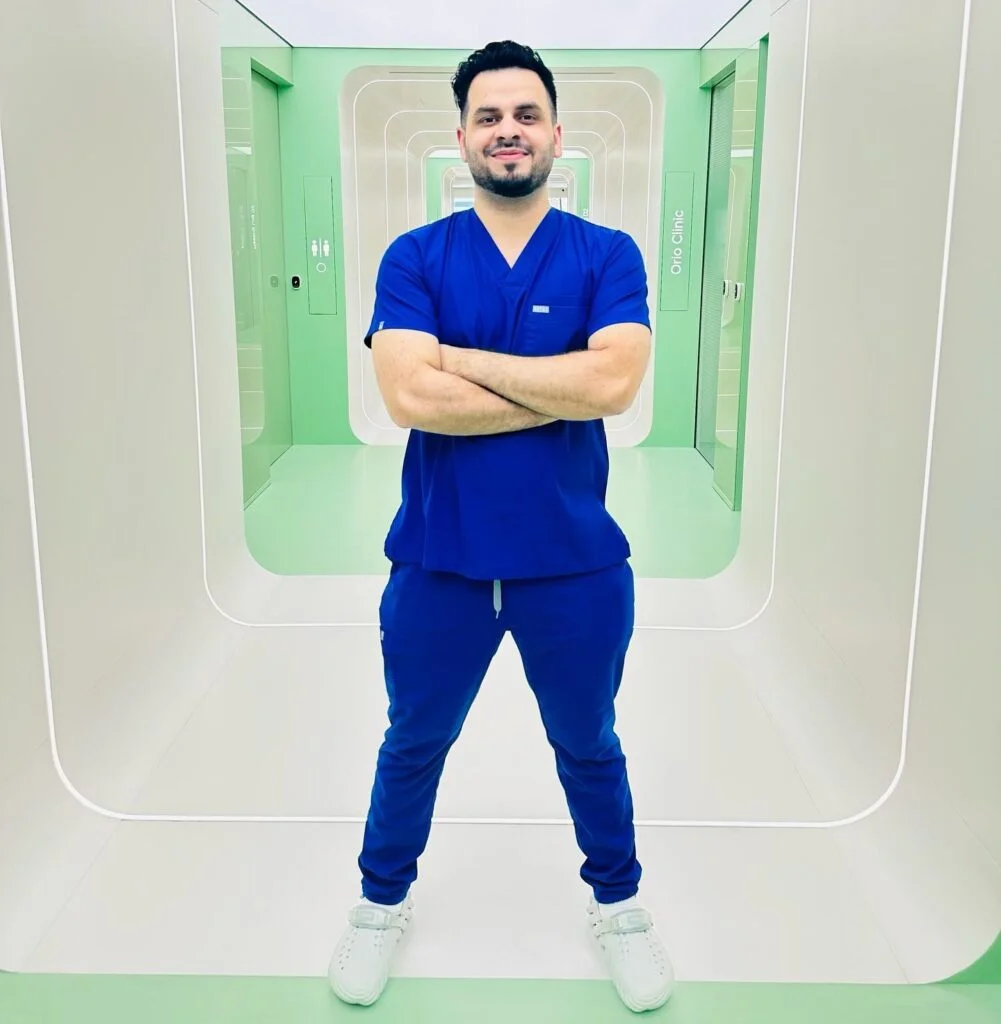
Author Bio: Dr. Muhammad Jan, MBBS
Dr. Muhammad Jan is a licensed General Practitioner and Urologist at Call Doctor Now, with experience from Mayo and Hamid Latif Hospitals. He focuses on evidence-based, patient-centered care and guides patients toward safe, effective treatments like cupping and dry needling.